
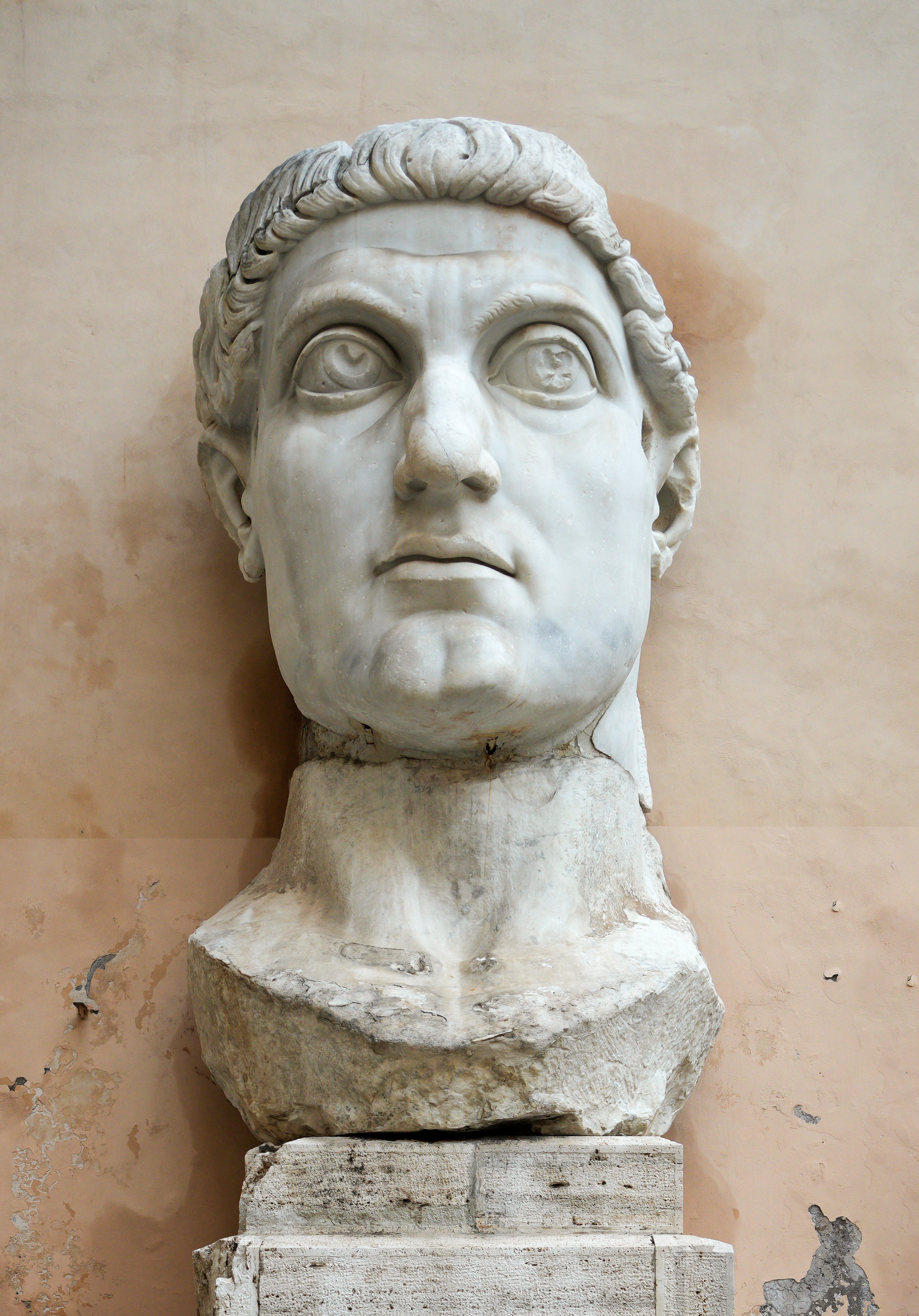
Constantine the Great
Emperor whose conversion and legalization of Christianity fundamentally altered the Church's destiny.
Patronage
Roman emperors, Constantinople, conversion, knights, eyesight
Virtues & Traits
Biography
Constantine I (c. 272-337) was a Roman emperor whose reign transformed Christianity's place in the empire. Born the son of Constantius Chlorus, he rose through military ranks and became emperor in 306 CE. His decisive victory at the Battle of the Milvian Bridge in 312 is traditionally associated with a vision of the Cross, leading to his conversion to Christianity. In 313, Constantine issued the Edict of Milan, granting religious tolerance and ending persecution of Christians. His reign witnessed Christianity's shift from a persecuted minority to a favored religion. Constantine convened the First Council of Nicaea in 325 to address theological disputes and establish doctrinal unity. He founded Constantinople (modern-day Istanbul) in 330, envisioning it as a Christian capital. Constantine funded the construction of major basilicas, including the Church of the Holy Sepulchre. Though baptized late in life, his support proved instrumental in establishing Christianity's institutional prominence. His legacies—religious tolerance, theological councils, Christian patronage, and Constantinople itself—shaped medieval Christendom and Western civilization profoundly.
Prayer
Prayer to Constantine the Great
O glorious Constantine, first Christian Emperor, who beheld the sign of the Cross in the heavens and conquered through the power of Christ, we beseech thee to intercede for us before the throne of God. Grant us the courage to profess our faith boldly, the wisdom to govern justly, and the grace to build up the Kingdom of Christ in our hearts and in the world. Through thy prayers, may we remain steadfast in the true faith and worthy of the salvation thou didst help bring to the Roman Empire. Amen.
Generated by Find My Saint for personal reflection. Not an official Church prayer.