
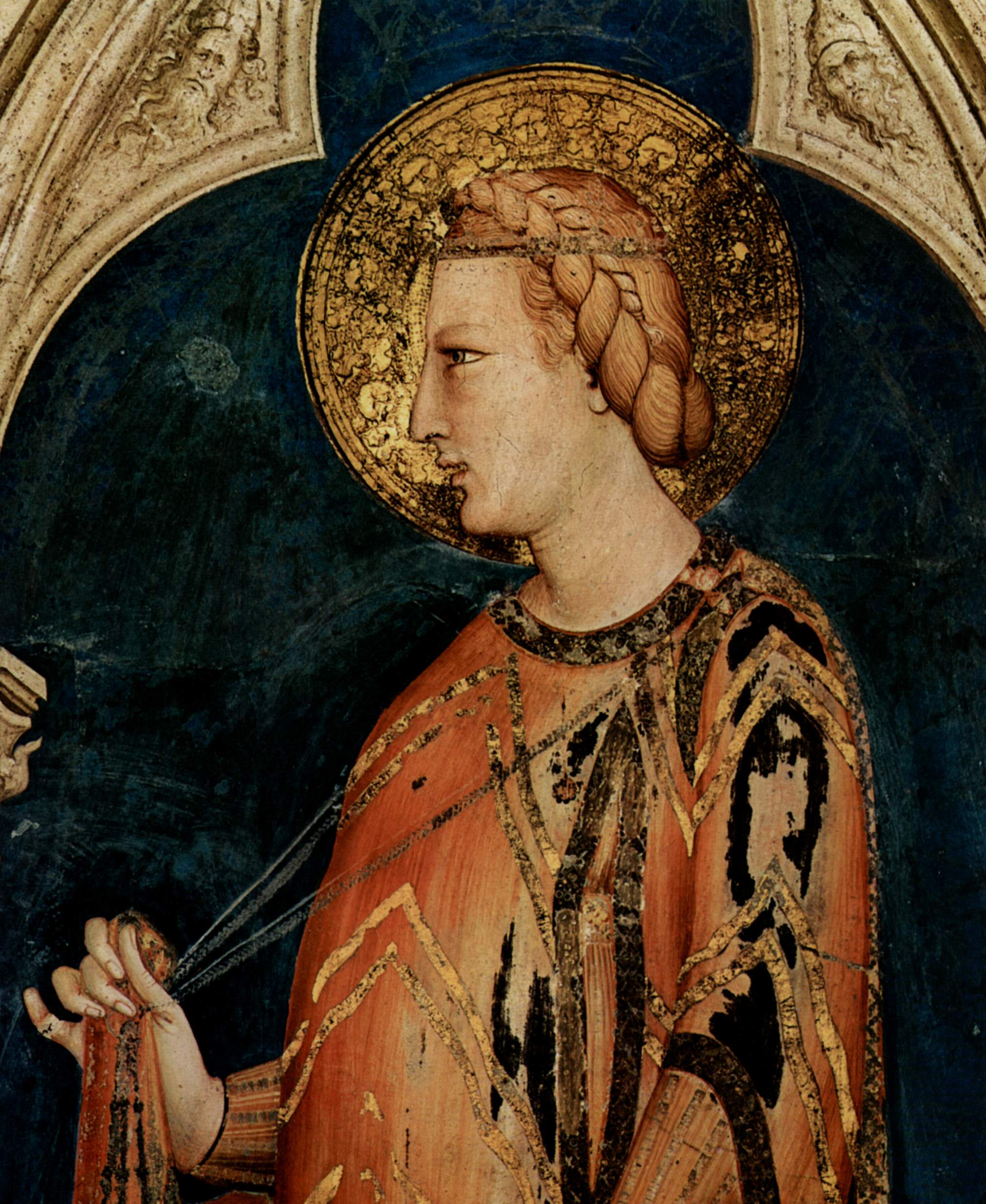
Elizabeth of Hungary
Hungarian princess who abandoned wealth to serve the poor with radical love.
Patronage
Charitable workers, bakers, beggars, people with disabilities, widows, Franciscan tertiary sisters, death of children
Virtues & Traits
Biography
Elizabeth of Hungary (1207-1231) was a landgravine and Franciscan tertiary whose extraordinary charity and short life became legendary. Born into Hungarian royalty, she married Ludwig IV of Thuringia at age four, eventually bearing three children. Following Franciscan ideals of radical poverty, Elizabeth scandalized the nobility by distributing the castle's wealth to the poor and sick. She disguised herself to serve beggars and lepers, washing their wounds and caring for them personally. After her husband's unexpected death during a Crusade, Elizabeth was expelled from court by her brother-in-law and lived in poverty. She joined the Franciscan Third Order and continued her charitable work, founding and directing a hospital where she cared directly for the most wretched cases. Elizabeth's ascetic lifestyle, combined with grief and physical hardship, rapidly deteriorated her health. She died at merely twenty-four years old, already recognized for her holiness. Her life exemplified Gospel poverty and demonstrated that sincere Christian charity could transcend social barriers, influencing Franciscan spirituality profoundly.
Prayer
Prayer to St. Elizabeth of Hungary
O glorious Saint Elizabeth, model of charity and compassion, we honor your memory and seek your intercession. You who gave generously to the poor and suffering, teach us to see Christ in those in need. Help us to follow your example of humble service and selfless love. Through your prayers, obtain for us the grace to use our blessings for the good of others and to grow ever closer to our Lord Jesus Christ. Amen.
Generated by Find My Saint for personal reflection. Not an official Church prayer.